
A Book of Hope for Israel’s Hidden Wounds
HOPE FOR ISRAEL
When Home Is Shattered
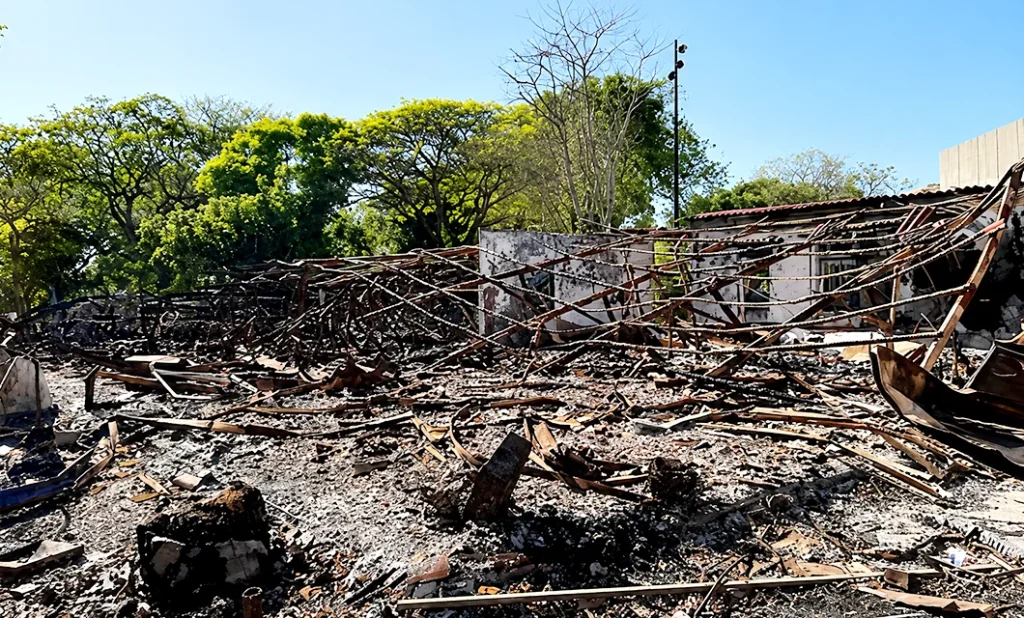
When a missile struck a residential neighbourhood in southern Israel, Boris and his elderly mother had only seconds to leave their apartment and reach the stairwell.
That decision saved their lives.
When they returned, their home was in ruins. Windows were shattered, doors torn away, and a wall had collapsed. The ordinary belongings that had shaped their daily lives were buried or destroyed.
They had survived—but they had escaped with almost nothing.
For many families in Israel, this is the reality of life under repeated attack. Safety can disappear in seconds, and the place called home can be changed beyond recognition.
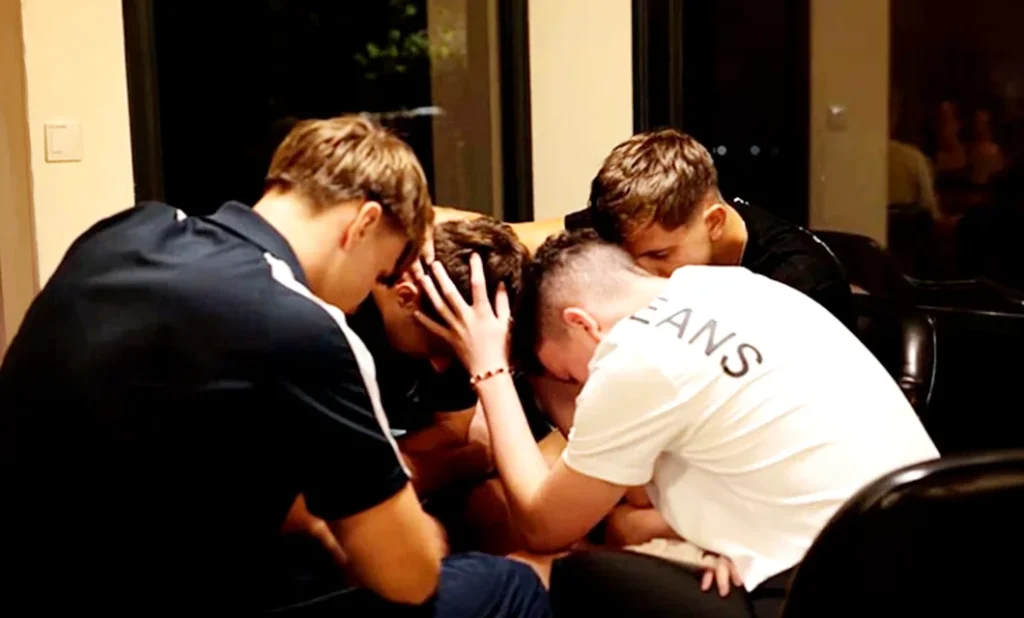
A Messianic congregation in Arad, supported through GCMM, came alongside Boris and his mother with gift cards for clothing, food, and other urgent needs. They also listened, prayed, and stayed close.
Their presence carried a message Boris and his mother deeply needed:
You are not forgotten. You do not have to face this alone.
The Wounds That Remain
The cost of war extends far beyond damaged buildings.
For many, trauma has become part of daily life. Children are startled by sudden sounds. Adults struggle to sleep. Elderly people are afraid to be alone. Families no longer feel secure in their own homes.
A VITAL RESOURCE FOR ISRAEL
Recovery From Trauma book
To help meet this need, GCMM is preparing the Recovery From Trauma book for Israel.
Shaped by local stories and experiences, the book offers practical guidance, thoughtful questions, and biblical truth. It will help readers recognize how trauma may be affecting their emotions, relationships, decisions, and sense of safety.
Pastor Vladimir Tasparin, who leads a Messianic congregation in Haifa and is helping prepare the Hebrew edition, believes the book can help people ask questions they may not yet know how to express:
- What is happening within me?
- Why am I reacting this way?
- Where can I find help?
The book cannot restore a destroyed home or erase painful memories. But it can help readers understand that their responses to trauma are not signs of weakness. It can open the way to honest conversation, prayer, pastoral care, and professional support where needed.
Drawing from the comfort of Psalm 23, the book also points readers toward God, the Chief Shepherd, who remains present in the darkest valley and does not leave the wounded to find their way alone.
At a time when the need for emotional and spiritual care is greater than available services can meet, this book can become a valuable resource for pastors, congregations, families, and individuals across Israel.
Please pray:
- For Boris and his mother as they rebuild their lives
- For the Messianic congregations caring for families whose homes and sense of safety have been shattered
- For the pastors and ministry leaders preparing this book with wisdom and sensitivity
May each reader find peace and discover that God is near—even when fear and loss have changed the landscape of life.